Atlantic Star Logistics Atlantic Star Logistics · Lochristi
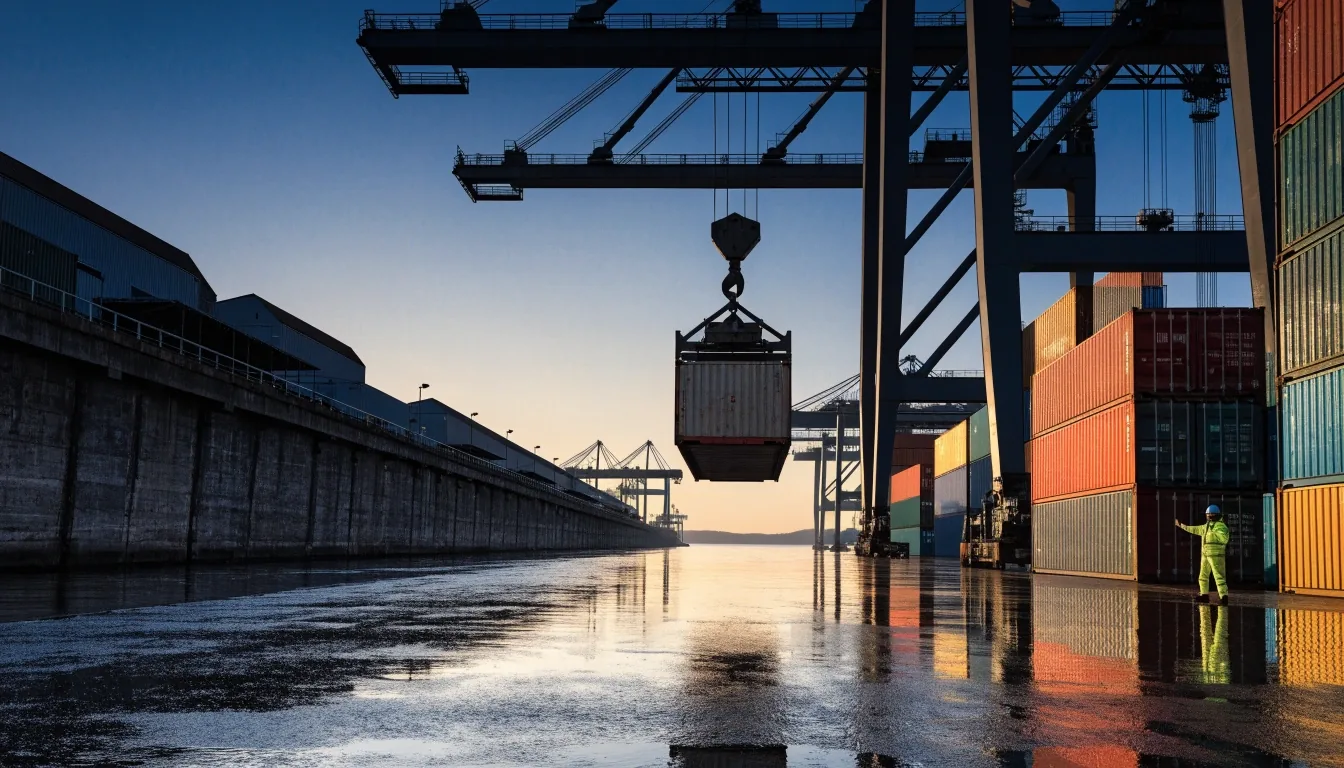
Freight apron at first light with an aircraft nose at the frame edge and wet concrete reflecting the sky

Lochristi, Belgium · air · ocean · road

Freight and logistics services we coordinate

Most shipments use two or three services together: a container arriving at Antwerp might need ocean freight, customs clearance, bonded storage, and a final road leg.

Pick the mode by cargo and deadline, not by habit

Atlantic Star Logistics arranges transport, clearance, and storage for businesses shipping in and out of Belgium. The services below are the building blocks. Read through and identify which mode fits your cargo and timeline, then send us the details.

An urgent spare part might only need air freight and a courier to the door. A pallet of components for an assembly line might travel cheaper by road groupage with a next-day window. We plan the combination before the first booking is made.

Three transport modes, one booking desk

Air, ocean, and road each carry a different cost per unit and a different realistic window. The lane you choose decides the paperwork that follows it.

Fastest option

Air freight

Air freight moves cargo by plane, usually through Brussels Airport for Belgian shipments. It fits urgent, high-value, or time-sensitive cargo, where the cost of a delay outweighs the higher rate per kilo.

Documentation matters more here than in almost any other mode. Airport customs handling is strict, and a missing HS code or an unclear commercial invoice can hold up the whole consignment. We often pair air freight with door-to-door delivery so the shipment does not stop at the airport.

Brussels Airport HS code checked first
Lowest cost per unit

Ocean freight

Sea transport handles the bulk of international trade by volume, and for Belgium most of it flows through the Port of Antwerp-Bruges. We arrange full container load when you have enough cargo to fill a box, and less than container load when you are shipping smaller volumes and can share space.

Antwerp also supports inland connections by road, rail, and barge, so a container can reach an inland warehouse without relying solely on trucks. Transit times run longer than air, but the cost per unit is usually far lower.

Antwerp-Bruges FCL or LCL
Europe and Great Britain

Road freight in Europe

Road freight covers full truckload, part truckload, and groupage movements across the EU and Great Britain. It is essential for Belgium's inland distribution and for short-haul international trade, and it reaches destinations that air and ocean cannot serve directly.

Cross-border trucking interacts with customs, security filing, and documentation requirements, so the transport booking and the declaration have to be coordinated. For many European lanes, road is simply the default.

FTL · PTL · groupage Booking plus declaration

Storage and delivery decide whether the plan holds

Not every shipment should move straight from arrival to the final address. Storage is often the difference between a workable import plan and a rushed one, and the last mile is usually where the customer experience is won or lost.

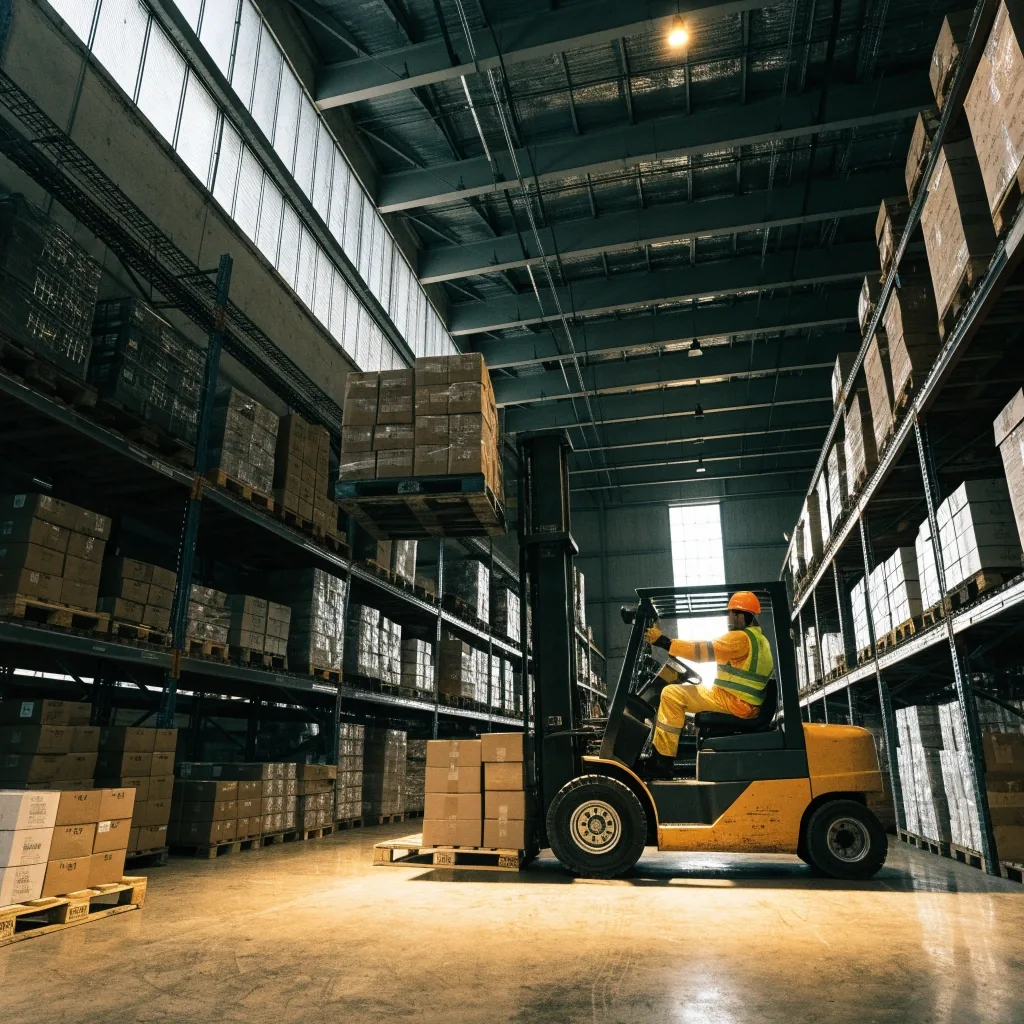
Bonded warehouse interior with steel racking, sealed pallets and a forklift at rest in a lit aisle
Lochristi · Belgium Received in bulk Released on order

Warehousing and bonded storage

Bonded warehousing lets you store imports before duties and import VAT become payable, which can help with cash flow and with spreading deliveries across a schedule. We also handle general warehousing and distribution, so goods can be received in bulk and released in the quantities your customers order.

Fulfillment and last-mile delivery

Fulfillment covers picking, packing, and dispatching orders from a warehouse to the end customer. Last-mile delivery is the final leg, and it is usually where the customer experience is won or lost. For e-commerce brands shipping across Europe, this is the part that determines whether a delivery promise is realistic.

We coordinate it as part of the wider shipment rather than treating it as a separate service.

Customs clearance runs alongside the transport

Customs clearance is not a separate product so much as a step that runs alongside transport. We prepare and file import and export declarations, check HS codes, and make sure the commercial invoice matches what is actually in the box. Getting this right before the cargo moves is cheaper than fixing it afterward.

Before departure

Declarations prepared and filed

Import and export declarations are built from the commercial invoice, the packing list, and the transport booking. We file them ahead of the move so the cargo is not waiting on paperwork at the border.

Classification

HS codes and invoice details checked

The tariff code decides the duty rate that applies, and the invoice has to describe the goods the way the customs system expects. We check both before the goods are declared, not after a query arrives.

While goods move

Transit under customs control

Transit procedures such as T1 allow goods to move under customs control before duties are settled at the destination. It keeps a cross-border leg legal and traceable without stopping the truck at the first frontier.

Combining modes, and planning the way back

Multimodal logistics means using more than one transport mode on a single journey. Matching the expensive part of the journey to the part that genuinely needs speed usually brings the total cost down without sacrificing the deadline.

Multimodal combinations

Two or three legs
  • Ocean freight into Antwerp, then road or rail to an inland destination. Sea then land
  • Air freight into Brussels Airport with a road leg to a warehouse in another country. Air then road
  • Container discharged at Antwerp, cleared, then released from bonded storage in the quantities your customers order. Sea, storage, road

Reverse logistics

Returns, recalls, and equipment going back to a supplier all fall under reverse logistics. It is easy to overlook until the first return arrives and there is no process for it. We can arrange the collection, the customs paperwork for goods moving back across a border, and the onward movement to a repair center or supplier. Having this planned in advance saves a lot of improvisation later.

What we do not do

Straight answers are more useful than a long list of promises, especially when a shipment has a hard deadline attached to it.

  • We are a freight forwarder, not a manufacturer or a retailer. We do not sell goods.

  • We do not set the customs duty rates that apply to your products. Those come from the tariff code and the customs authority.

  • We do not promise delivery times we cannot control, such as those affected by port congestion or border queues.

What we can do is plan the shipment properly, keep the paperwork in order, and tell you honestly when a route or a timeline is not realistic.

Questions we get before a first booking

If your question is not here, send it with your cargo details and we will answer it against your lane rather than in general terms.

How do I know whether air or ocean freight is the right choice?

Compare the value of the cargo against the cost of waiting. Air freight carries a higher rate per kilo, so it earns its place when a delay costs more than the difference — an urgent spare part, a launch deadline, a temperature-sensitive component. Ocean freight lowers the cost per unit and suits full or shared containers where a longer transit window is acceptable. Send the weight, dimensions, and the date the goods need to arrive, and we will price both against your lane.

What is bonded warehousing and when does it help?

Bonded warehousing lets you store imports before duties and import VAT become payable. That helps with cash flow, and it lets you spread deliveries across a schedule instead of releasing everything at once. It is useful when you receive in bulk but sell in smaller quantities, or when you are waiting on a customer order before the goods enter free circulation.

Do you handle the customs declaration as well as the transport?

Yes. Clearance runs alongside the transport rather than after it. We prepare and file import and export declarations, check the HS code and the commercial invoice, and use transit procedures where goods need to move under customs control before duties are settled at the destination. Doing this before the cargo moves is cheaper than fixing it afterward.

What details should I send with a quote request?

The origin and destination addresses, the weight and dimensions or the number of pallets, what the goods are, whether they are dangerous or temperature-sensitive, the value for customs, and the date they need to arrive. If you already know the Incoterms rule for the sale, include it — it decides who pays which part of the journey and it changes the quote.

Can you collect returns and send goods back to a supplier?

Yes, through reverse logistics. We arrange the collection, the customs paperwork for goods moving back across a border, and the onward movement to a repair center or supplier. Returns and recalls are easier to handle when the process is set up before the first one arrives.

Send the details and we will map the route

Tell us what you are shipping, where it starts, where it needs to arrive, and when. We will come back with the mode or combination that fits, the paperwork that has to be in place before it moves, and an honest read on the timeline.

The Lochristi office

Address
Raveschoot 22, 9080 Lochristi, Belgium
Working hours
Monday to Friday: 09:00 – 18:00
Contact the Lochristi office
Lane: Belgium ↔ Europe and beyond Modes: air · ocean · road Release condition: paperwork before movement