
Atlantic Star Logistics Atlantic Star Logistics · Lochristi
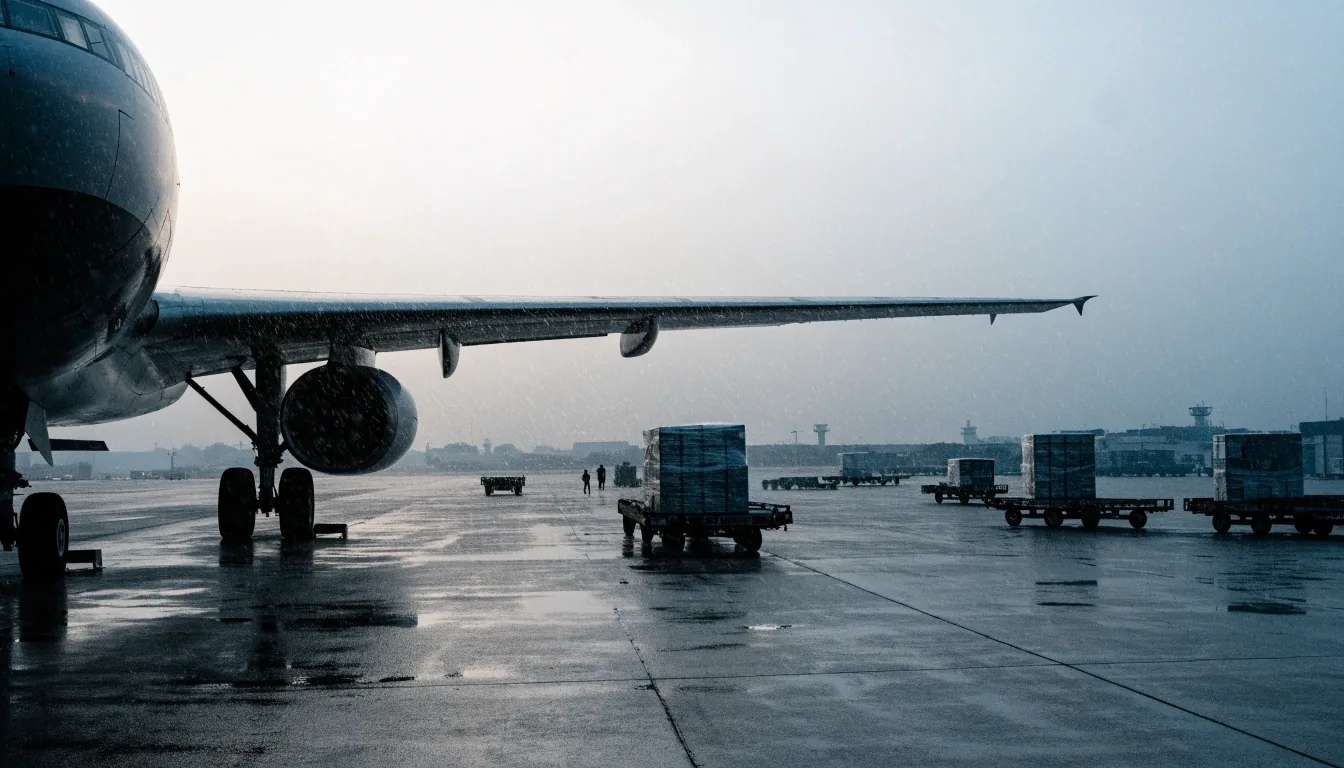
Cargo aircraft nose and loading equipment on a rain-wet Brussels apron at first light

Air, ocean, road or express: choosing a mode

No single mode wins everywhere. This page puts speed, cost per unit, capacity and control side by side, so you can match the option to your cargo, your deadline and your budget before you book.

How to read this comparison

There is no single best freight mode. There is only the mode that fits your cargo, your deadline and your budget. Air freight is fast and expensive per kilo. Ocean freight is economical for volume and slow. Road freight sits between the two and covers most European lanes. Express services handle small, urgent parcels door to door.

Read each chapter as a slab: what the mode is good at, where it stops being practical, and what has to be ready before the shipment moves. If a detail applies to your lane, bring it to the quote conversation and we will tell you plainly whether it is realistic.

Four modes, one decision

Compare them on the two things that decide most shipments: how fast it has to arrive, and how much you are willing to pay per unit to make that happen.

Air freight: speed at a price

The right choice when a delay costs more than the shipping rate. High-value electronics, spare parts holding up a production line, samples needed this week, anything with a short shelf life. Airport customs handling is tied closely to the flight, so the paperwork has to be correct before the cargo is tendered. Cost per kilo is the highest of the main modes, and capacity is limited by what fits on the aircraft.

Typical fit: urgent, compact, high value.

Brussels Airport Days
Ocean freight: volume and cost per unit

Sea transport moves the bulk of international trade by volume. A full container load gives you the box to yourself, which is simpler and often cheaper per unit once you have enough cargo. Less than container load lets smaller shipments share space, though consolidation adds handling steps and can extend transit time. For Belgium, most sea freight flows through the Port of Antwerp-Bruges, which also supports inland connections by road, rail and barge.

Antwerp-Bruges Weeks

Road freight: the European default

Road handles full truckload, part truckload and groupage movements across the EU and Great Britain. It reaches destinations that air and ocean cannot serve directly, and for many European lanes it is simply the most practical option. Belgium's inland distribution depends on it, and short-haul international trade is largely a truck business. Cross-border road movement interacts with customs and security filing, so the transport and the declaration need to be planned together.

European lanes Days

Express and parcel services

Built for small, urgent consignments with a door-to-door promise. Express differs from general freight in that the network is fixed and the service level is standardised, which makes it predictable but less flexible for unusual cargo. It is a poor fit for pallets, oversized items or anything needing special handling. For a single urgent parcel, though, it is hard to beat.

Fixed network Business days

The fastest mode is useless if the shipment is held at customs

Pick the mode first, then check that the documents for that mode can be prepared in time. Air and express move on tight windows. Ocean and road tolerate a slower paper trail, but neither waits for a missing certificate.

LTL versus FTL

Less than truckload means your goods share a trailer with other shipments. It is cost-effective when your volume is small and your deadline is flexible, because the truck makes multiple stops along the way. Full truckload means the vehicle is yours, which is faster, reduces handling and lowers the risk of damage, but you pay for the whole trailer whether or not you fill it.

The crossover point depends on your volume and on how much the extra transit time actually costs you. If a late arrival means a missed launch or a stopped line, the cheaper shared trailer stops being cheaper.

What changes Shared trailer / whole trailer
Handling steps
More consolidation stops / direct to destination
Transit time
Longer, multiple drops / shorter, one run
Damage risk
Higher through repeated loading / lower, sealed load
What you pay for
Your share of the trailer / the whole trailer

Transit times from Belgium, roughly

Ranges, not promises. Actual door-to-door time depends on the lane, the sailing or flight schedule, and how quickly the documents clear.

Air freight

A few days

From Brussels Airport to major destinations, depending on the route and how the customs file is handled. Suited to shipments where every day counts.

Release: customs cleared before tender
Ocean freight

Weeks, not days

Weekly sailings to and from Antwerp-Bruges, with the container moving on to inland transport once it is released. Plan the full door-to-door chain, not just the sea leg.

Release: after vessel discharge and clearance
Road and express

Days across Europe

Road freight is predictable on established European lanes. Express parcel services advertise time-definite delivery to a very large number of countries, with the fastest options arriving within a small number of business days.

Release: on signature at the delivery address

Cost versus control

Cost is not the only variable. Control matters too. A full container or a full truckload gives you more visibility and less handling. Consolidated shipments are cheaper but pass through more hands. Express services are convenient, but you accept the carrier's routing.

If your cargo is fragile, high value or on a tight schedule, paying for more control is often the better decision even when a cheaper option exists. The reverse also holds: for durable goods with a flexible deadline, the extra handling is rarely worth the premium.

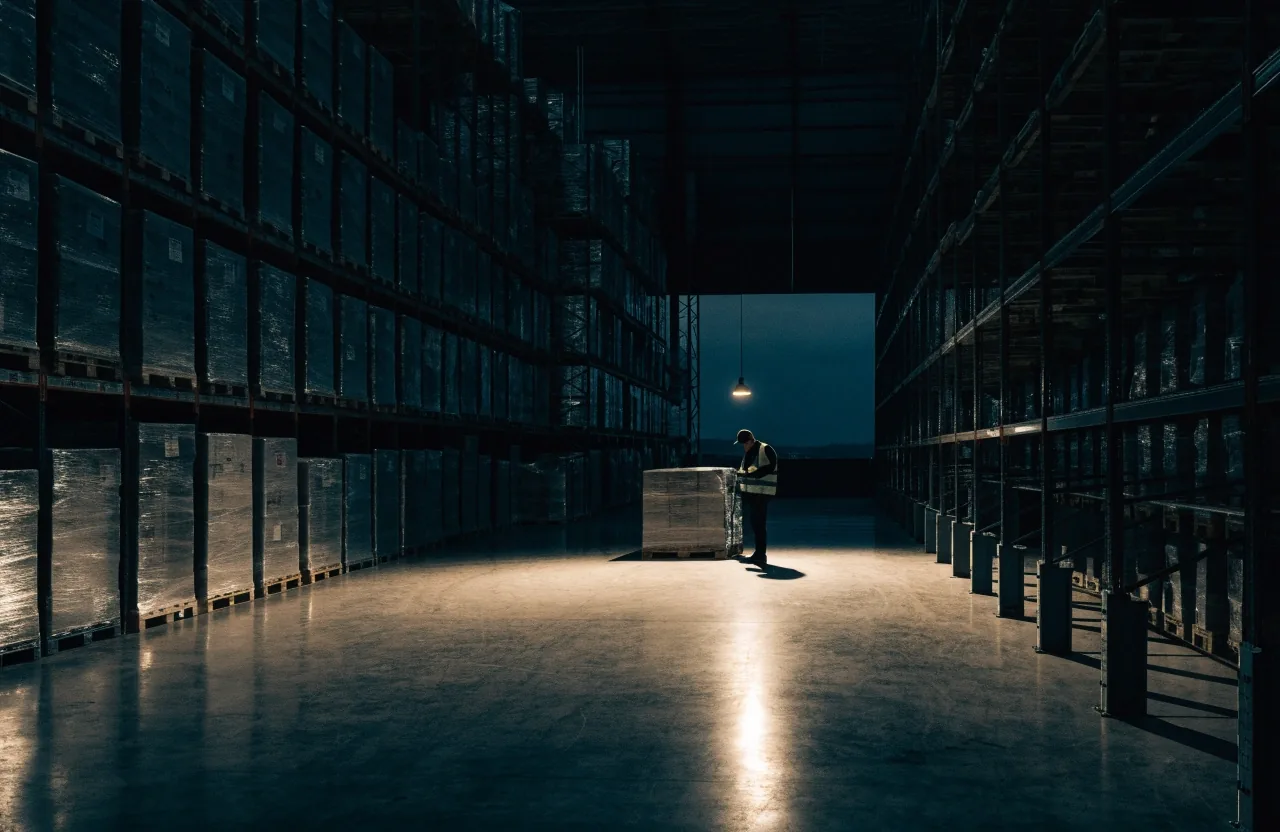
Bonded warehouse aisle at night with racking receding into shadow and one warm lamp pool on the floor
Consolidated cargo waits for its release condition before it leaves the racking

01

Full container or full truckload

Most control

02

Consolidated LCL or groupage

Lower unit cost

03

Express parcel network

Carrier routing

Lane: Lochristi to European and intercontinental destinations Mode: air, ocean, road or express Release: only after the declaration clears

How to decide

Work down the list in order. The first two questions usually settle the mode on their own.

  1. Days or weeks

    Start with the deadline

    If the goods must arrive in days, air or express is the realistic option. If the deadline is measured in weeks and the volume is large, ocean is usually the answer. If the destination is inside Europe, road is often the simplest route.

  2. Rate versus value

    Then check cost per unit against cargo value

    High-value cargo tolerates a higher freight rate because the goods are worth protecting. Low-value, bulky cargo rarely justifies air. Compare the freight rate against the unit value of what is inside the box, not against the total invoice.

  3. Paper ready first

    Confirm the documentation can keep up

    The fastest mode is useless if the shipment is held at customs. Air and express move on tight windows, so the commercial invoice, packing list and any certificate have to be ready before the cargo is tendered. Ocean and road give you more room, but neither waits for a missing document.

Questions that come up before booking

Short answers to the comparisons people ask about most. If your case is not here, the office in Lochristi will answer it directly.

Is air freight always the fastest option?

Not once the shipment reaches the airport. Air freight is fast in the air, but the goods still have to clear customs on both ends and be collected from the destination airport. On a short European lane, a truck can arrive at the door sooner than a flight plus two clearances plus a final delivery leg.

When is LCL cheaper than a full container?

When your volume is small enough that paying for a whole box would waste space. As your volume grows, the per-unit cost of a full container load falls below the shared option, and the crossover arrives earlier than most shippers expect. Ask for both figures on the same quote and compare the total, not just the freight rate.

Can I switch mode after the shipment is booked?

Sometimes, but it is rarely free. Once a container is allocated, a truck is loaded or cargo is tendered to an airline, changing the mode means cancelling and re-booking, and the original booking may carry charges. Decide before the freight is handed over, and tell us early if the deadline moves.

Does the freight mode change the customs paperwork?

The declaration itself follows the goods and the trade terms, but the timing and the point of clearance differ. Air and express clear at the airport or the parcel hub, sea freight clears at the port or inland terminal, and road freight clears at the border or at an inland office. The mode decides when the file has to be ready, not what goes in it.

Where can I see the costs and terms in full?

The Incoterms and landed cost guide explains how freight, duty and handling stack up on a delivered price. If you would rather talk it through, the Lochristi office can walk through your lane and prepare a quote around the mode you are leaning towards.

Read the Incoterms and landed cost guide

Tell us the cargo and the deadline

Send the lane, the volume and the date it has to arrive. We will come back with the mode that fits and the freight rate that goes with it, from the office in Lochristi.

Office

Atlantic Star Logistics

Raveschoot 22
9080 Lochristi, Belgium

+32 759716102

[email protected]

Monday to Friday, 09:00 to 18:00