
Customs clearance and the documents behind it
A shipment can reach Antwerp-Bruges on schedule and still sit for days on paperwork. Here is what each document does, what duty and import VAT are calculated on, and when a transit procedure such as T1 makes sense.
What customs clearance actually involves
Clearance is the process of declaring goods to the customs authority of the country they are entering or leaving. The declaration states what the goods are, where they came from, what they are worth, and what they will be used for.
The authority checks that declaration against the accompanying documents and calculates any duties and import VAT owed. Once the declaration is accepted and any charges are settled, the goods are released. Most delays come from a mismatch between what the declaration says and what the documents show — a wrong figure, a stale invoice, a description that does not match the pallet standing in the shed.
In practice this means the paperwork has to be assembled from the actual shipment, not from last season's file. When the broker and the forwarder work from the same data set, the declaration is checked once and accepted once.
What the declaration states
- What the goods are, in specific product terms rather than a category
- Where they came from and which country they originated in
- What they are worth, in the currency the invoice was issued in
- What they will be used for, since that can change the treatment
The declaration is only as good as the invoice underneath it
Get the commercial invoice right and most clearance questions answer themselves. Get it vague and every other document becomes a negotiation.
The commercial invoice
The commercial invoice is the central document in any customs declaration. It also usually sets the customs value that duties and import VAT are calculated on, which makes accuracy a financial matter rather than an administrative one.
Vague descriptions cause problems. Electronics is worse than USB-C charging cables, 1 metre, model X200. If a customs officer cannot tell what is in the box from the invoice alone, the shipment is a candidate for inspection.
Send us your draft invoiceCommercial invoice · required fields
What a customs officer looks for first
- Seller and buyer
- Legal names and addresses on both sides, matching the transport documents.
- Description
- Product-level wording with material, size and model where it applies.
- Quantity and unit value
- Per-line figures that multiply cleanly to the stated total.
- Currency and total
- One currency throughout, with the invoice total the customs value starts from.
- Country of origin
- Where the goods were produced, not where they were shipped from.
- Incoterms and terms
- Who pays freight, insurance and duty, agreed before the invoice is issued.
HS codes and why they matter
An HS code is the classification number that tells customs what a product is. It is used internationally and it determines the duty rate that applies. Similar products can sit under different codes with different rates, so it is worth checking rather than guessing.
Getting it wrong can mean paying the wrong amount, or having the shipment held while the classification is corrected. If you are unsure, ask before the shipment moves, not after.
Check the code against the product, not the category
A charging cable and a power adapter are not the same classification, even when they ship in one carton.
Before tender
Two similar products can carry different duty rates
Material, finish and end use all feed into the rate, which is why the same supplier can ship two lines under two codes.
Duty rate
Corrections cost time, not just money
A held shipment sits on the terminal while the classification is re-checked, and storage keeps running.
If it is wrong
Packing lists and transport documents
The packing list describes how the goods are packed: how many cartons, pallets or containers, and what is in each one. It lets customs officers match the physical shipment to the declaration. A packing list that disagrees with the invoice is one of the most common causes of a hold.
Bill of lading
The sea freight contract and receipt. It names the carrier, the shipper and the consignee, and it is what the port releases against.
Air waybill
The air freight counterpart, tied closely to the airport handling process when cargo lands at Brussels.
CMR note
The road freight consignment note. It confirms who is carrying the goods and under what terms across EU borders.
Packing list
Carton by carton, pallet by pallet. It is the document an officer picks up when the container is opened.
Import VAT and duties in Belgium
Import VAT and customs duties are separate charges. Duty is calculated on the customs value of the goods, which is generally the price paid plus the cost of transport and insurance to the point of entry. Import VAT is then calculated on the customs value plus the duty.
For businesses registered for VAT, import VAT is often recoverable, but it still has to be paid or accounted for at the time of import. This is why landed cost estimates need both figures, not just one — the recoverable amount still ties up cash until the return is filed.
Read Incoterms and landed costHow the two charges stack
Customs value
Price paid for the goods plus freight and insurance to the point of entry.
Starting point
Customs duty
A percentage set by the HS code, applied to the customs value.
On value
Import VAT
Applied to the customs value plus the duty already calculated on it.
On value + duty
Recovery
VAT-registered businesses can usually reclaim import VAT, but it is paid or accounted for first.
On return
Transit procedures and T1
A transit procedure lets goods move across one or more borders under customs control before duties and taxes are settled at the destination. The T1 document is the common version used for moving non-Union goods through the EU.
Goods passing through
Useful when cargo crosses a country rather than being imported there. Duties stay suspended while the goods are in transit.
Inland final customs point
When the destination clearance happens inland rather than at the port, transit carries the goods there without settling duty early.
Settled at destination
Used correctly, transit avoids paying duties twice on the same shipment. The charges land once, where the goods actually stay.
Where clearance fits with the rest of the shipment
Clearance is not a step that happens after transport. It runs alongside it. That is why the documents should be ready before the cargo is tendered, and why the forwarder and the customs broker need the same information.
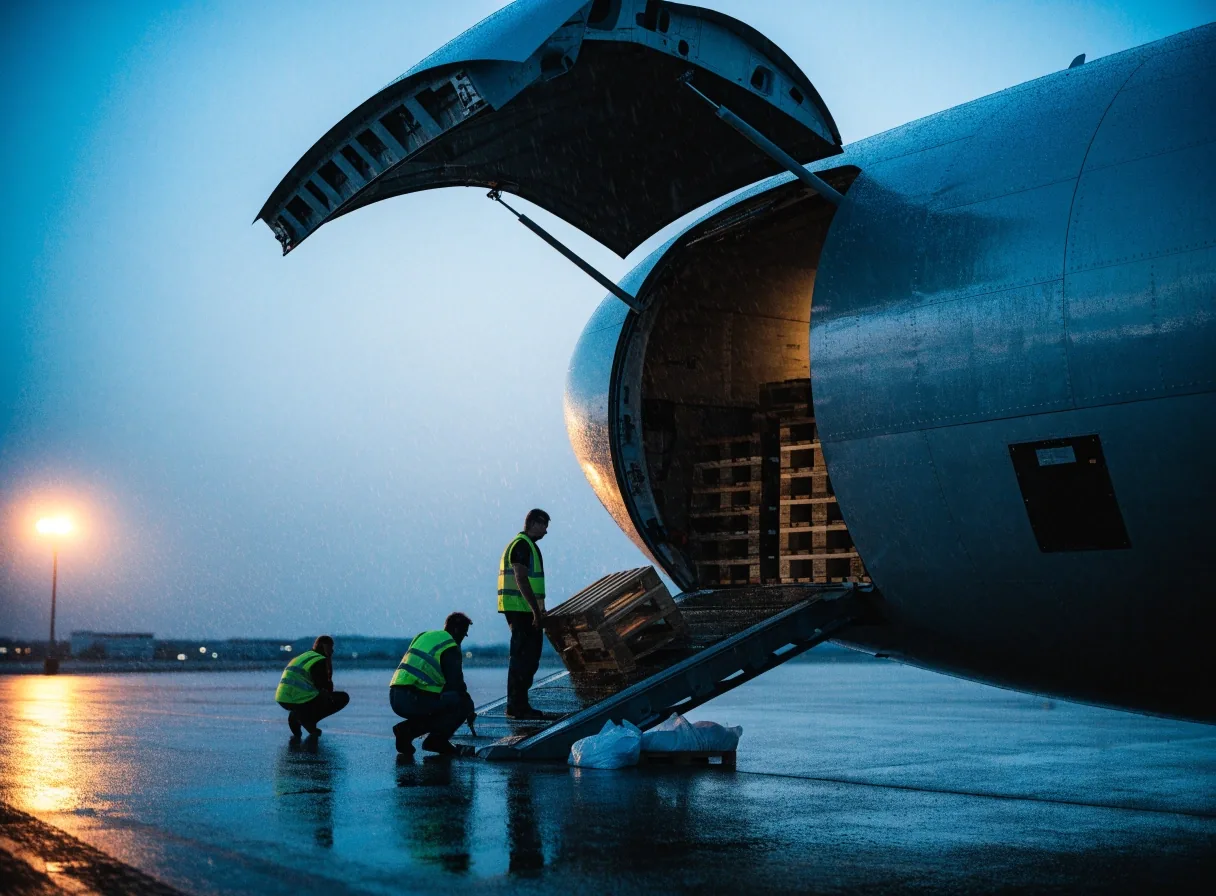
Air into Brussels
Customs handling is tied closely to the airport process. Documents that arrive with the air waybill keep the cargo moving from the apron to the truck.
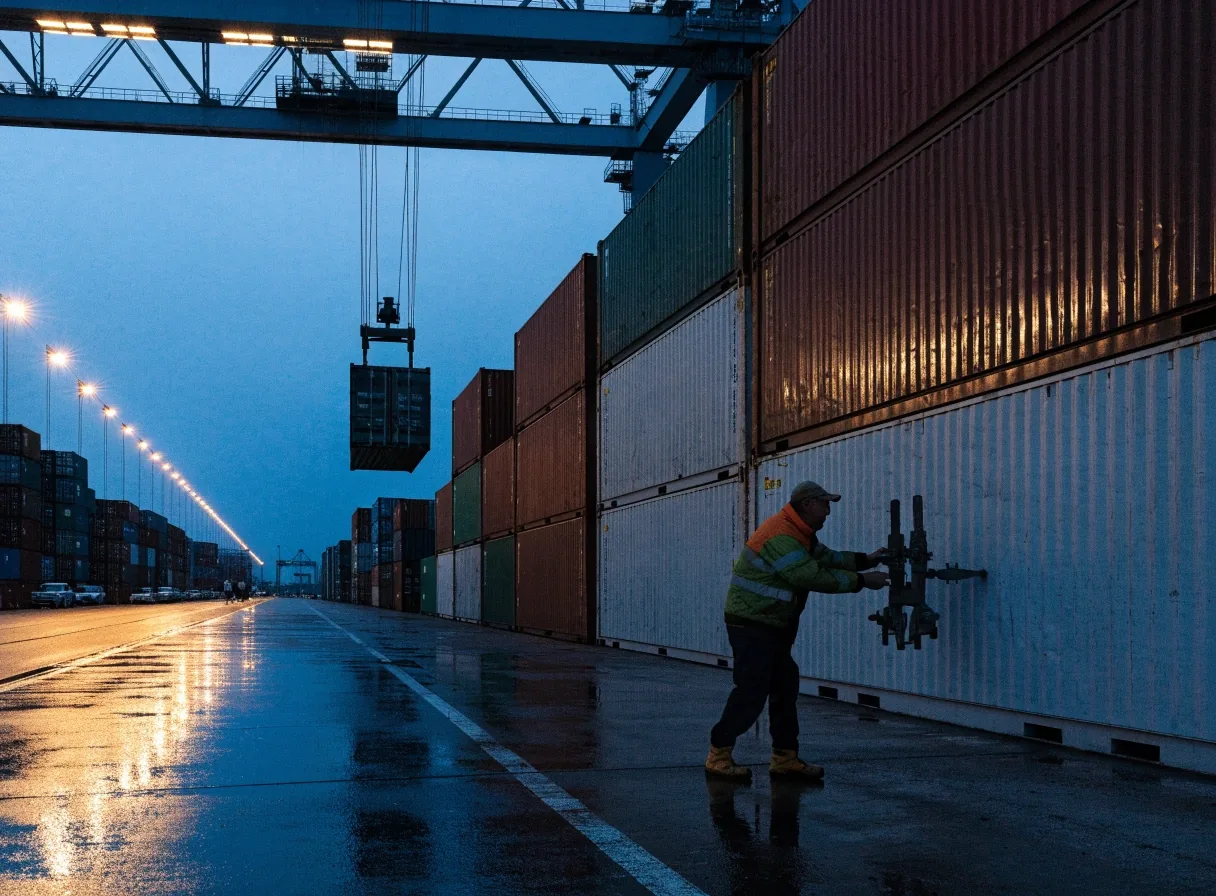
Sea into Antwerp
The port and inland connections are part of the timing. Plan clearance around the mode so the goods do not sit idle on the terminal.
Common mistakes and how to avoid them
Most of these are caught by reading the documents against each other before anything is booked. Open a row to see what tends to go wrong and how to head it off.
Undervaluing goods to reduce duty
Reusing an old invoice for a new shipment
Leaving the country of origin blank
Descriptions copied from a website
Packing list that disagrees with the invoice
Send us the shipment and we will tell you what the file needs
Tell us what is moving, from where to where, and by which mode. We will come back with the documents required, the customs value calculation to expect, and whether a transit procedure is worth using on that lane.
Lochristi office
Atlantic Star LogisticsRaveschoot 22
9080 Lochristi, Belgium