Atlantic Star Logistics Atlantic Star Logistics · Lochristi
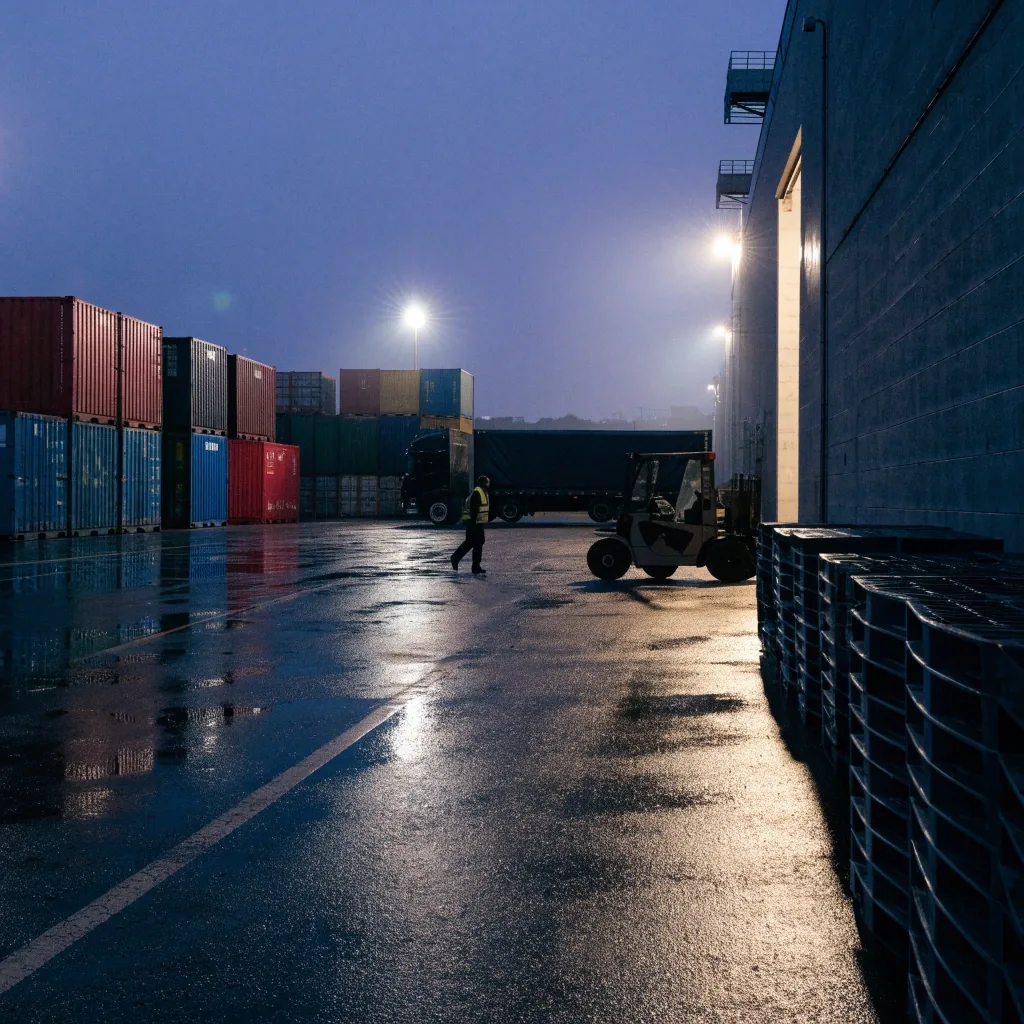
Rain-dark container quay at night with crane arms over stacked containers and lamp light on wet concrete

International shipping from Lochristi, Belgium

Atlantic Star Logistics coordinates freight between Belgium and the rest of Europe, and between Europe and markets overseas — one partner for the booking, the paperwork and the delivery.

What we actually do

We arrange transport and the documentation that has to travel with it. You can hand us a commercial invoice and a packing list and let us take it from there, or ask us to check the paperwork before anything is booked.

Air freight for urgent consignments, ocean freight for containerized and general cargo, road freight for European lanes, and warehousing when goods need to sit somewhere before they move on. Customs clearance is handled as part of the shipment rather than bolted on afterward, which matters because a container that clears late still costs you the same as one that clears on time.

Air freight when the clock is the problem

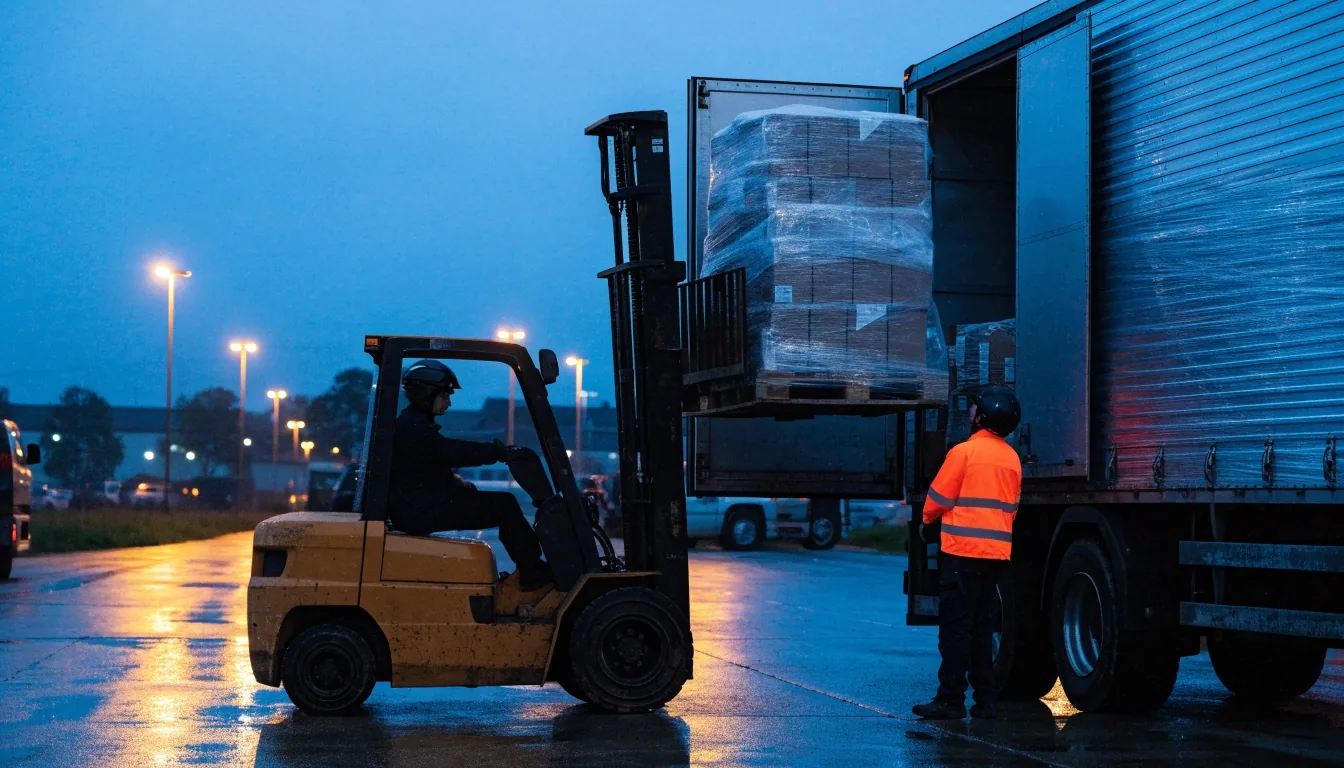
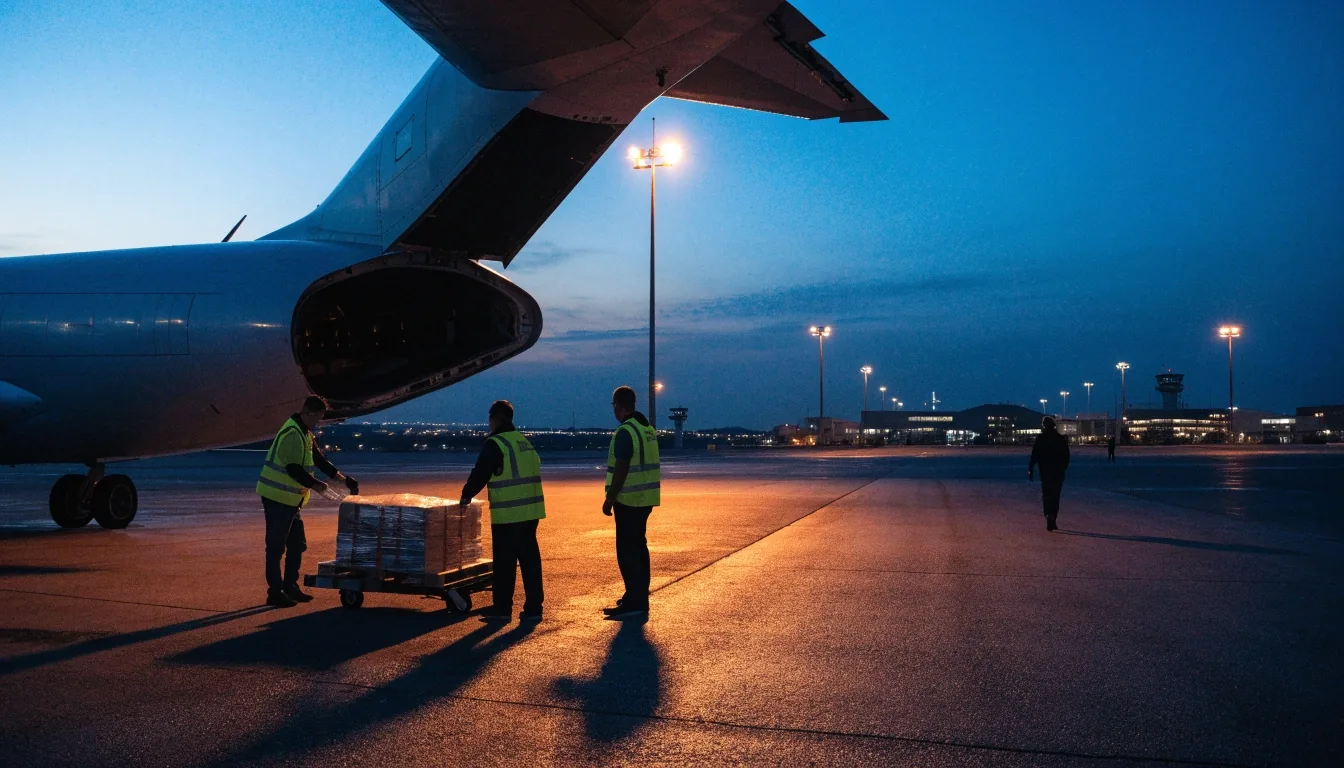
Air freight is the mode people reach for when a delay costs more than the ticket. It suits high-value electronics, spare parts holding up a production line, samples a buyer needs this week, and anything with a short shelf life.

Air freight

Tied closely to airport customs handling, so the documentation has to be right before the cargo is tendered. We coordinate that side so your shipment is not sitting at Brussels Airport waiting for a missing HS code.

Mode: air Handling: airport customs
Ocean freight

Full container load gives you the box to yourself; less than container load lets you share space when volume does not justify a full unit. Antwerp also supports inland connections by road, rail and barge, so a container can reach an inland warehouse without a long truck leg.

Mode: ocean Gateway: Antwerp-Bruges

Road freight

Full truckload, part truckload and groupage movements that reach destinations air and ocean cannot serve directly. From Lochristi you are on the road network quickly, which helps for short-haul lanes into France, the Netherlands and Germany.

Mode: road Lanes: EU cross-border
Origin: Lochristi, Belgium Gateways: Antwerp-Bruges · Brussels Airport Modes: air · ocean · road

Ocean freight and the Antwerp gateway

Most of Belgium's international trade by volume moves through the Port of Antwerp-Bruges, and that shapes how we route sea freight. Treating the port as a single fixed point wastes its flexibility: Antwerp supports inland connections by road, rail and barge, so a container can arrive at the coast and still reach an inland warehouse without a long truck leg.

That planning choice shows up later in the invoice. A routing that looks cheap on the ocean leg can be undone by the truck mileage on the other end, which is why we plan the inland connection at the same time as the sailing rather than after it.

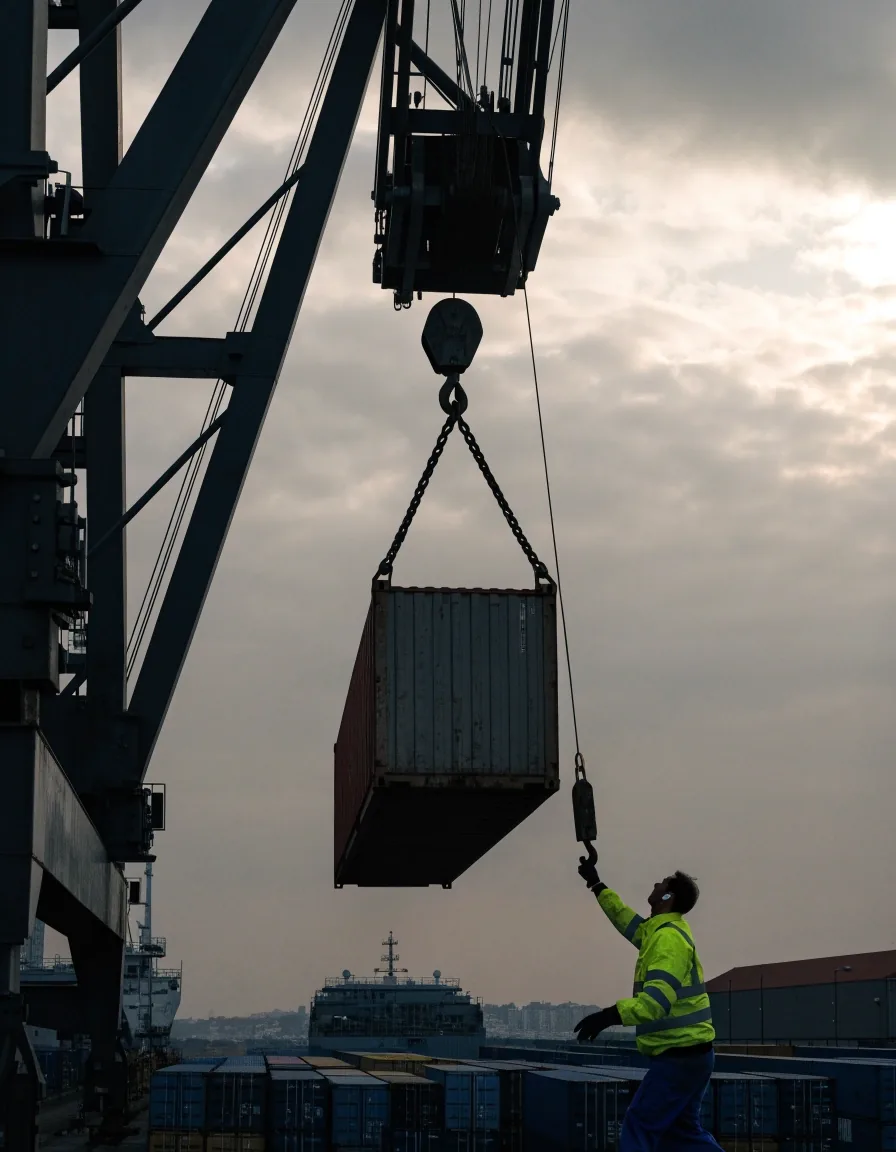
Container terminal at dawn with gantry cranes over stacked containers and a berthed vessel

Road freight across the border

Cross-border trucking interacts with customs and security filing requirements, so the transport booking and the declaration need to be planned together rather than in sequence. These are the three stages we walk through with every European lane.

  1. Before loading

    Confirm the lane and the truck type

    Full truckload, part truckload or groupage decides how the goods are stacked and how the collection is scheduled. Volume, weight and loading constraints come first.

  2. Before departure

    Line up the declaration

    Commercial invoice, HS code, country of origin and declared value have to agree. A security filing that is prepared alongside the booking avoids a truck waiting at the border.

  3. On arrival

    Clear, then deliver onward

    Once the entry is released the load moves to the final address, or into storage if the buyer is not ready to receive it. Delivery instructions travel with the file.

Bonded warehouse interior at night with steel racking, one warm lamp pool and a parked forklift

Warehousing and what happens after arrival

Goods do not always move straight from a port or airport to the final address. Bonded warehousing lets you store imports before duties and import VAT become payable, which can help with cash flow and with staging deliveries to customers.

We also handle distribution and last-mile delivery, so a shipment can be broken down and sent onward in the quantities your buyers actually ordered. Reverse logistics is part of the picture too, because returns and recalls are normal in most supply chains.

Held: bonded storage Released: on duty payment Onward: last-mile delivery

Customs clearance as a planning step

Customs clearance is where a lot of cross-border shipments lose time, and it is usually a paperwork problem rather than a transport problem.

Commercial invoice
Names the goods, the buyer and the seller, and the value the duty will be calculated on. It has to match the packing list line for line.
HS code
Classifies the product and decides the duty rate. A wrong code is one of the most common reasons a shipment is held for inspection.
Country of origin
Where the goods were produced, not where they were shipped from. It can change the duty rate and whether a trade agreement applies.
Declared value
The transaction value of the goods. Import VAT and duties are calculated on it, so it has to line up with the invoice.
Transit document
A T1 lets goods move under customs control before duties are settled at the destination. Useful when the entry point and the final market are not the same country.

If you are new to importing, it is worth reading the customs and documentation guide before your first shipment rather than after it is stuck. The guide walks through each document and what happens when one of them is missing.

Choosing a mode without guessing

The right mode depends on three things: how fast the cargo needs to arrive, how much it weighs and measures, and how much control you want over the routing. Here is how the four options sit against each other.

Freight modes compared by speed, best fit, cost posture and typical cargo
Mode Speed
Air freight Fastest door-to-door on long distances
Ocean freight Slowest, with fixed sailing schedules
Road freight Days across European lanes
Express parcel Next-day options on small consignments

The freight modes comparison page sets these side by side in more detail so you can decide with numbers in front of you.

Who we work with

The common thread is that the shipment matters to the business, and a missed deadline has a cost.

  • Importers bringing components into Belgium

    Often working to a production schedule, where a late part stops a line rather than a shelf.

  • Exporters sending finished goods out

    Goods that leave Belgium for markets overseas, where the export declaration and the sailing date have to agree.

  • E-commerce brands shipping across Europe

    Volumes that change month to month, and buyers who expect delivery updates they can act on.

  • Manufacturers that need parts at a specific time

    Where the arrival window is set by the production plan, not by the cheapest available sailing.

  • Buyers new to international trade

    People who need someone to explain what a commercial invoice or an HS code is before they can fill one in.

Landed cost before you commit

The price on a supplier's quote is rarely the price you pay to get goods to your door. Freight charges, import duties, import VAT and handling fees all add to the landed cost, and Incoterms decide which of those sit with the buyer and which with the seller.

Getting that split wrong is one of the more expensive mistakes in cross-border trade, because the cost shows up after the order is placed. The Incoterms and landed cost guide walks through the terms and how to estimate the total before you commit.

Loaded articulated truck passing on a European motorway at dusk with wet asphalt and cool evening light

Working from Lochristi

Being based in Lochristi puts us close to the main Belgian gateways without being inside them. Antwerp-Bruges is the primary maritime hub for the country and supports multimodal inland connections. Brussels Airport handles the air side. The road network links both to the rest of Europe.

That geography is not a marketing line, it is a practical advantage when a shipment needs to switch modes or clear customs quickly.

Address
Raveschoot 22, 9080 Lochristi, Belgium
Hours
Monday to Friday: 09:00 – 18:00

Questions we get asked before a first shipment

Short answers to the things that come up most often. If your case is not here, the FAQ page goes deeper.

Which shipping mode is best for my cargo from Belgium?

It depends on urgency, volume and budget. Air freight suits urgent, high-value or time-sensitive cargo. Ocean freight through Antwerp-Bruges is economical for larger volumes. Road freight is often the practical choice for European lanes, and express services cover small urgent parcels.

What documents are required for international shipping?

Usually a commercial invoice, a packing list and the correct HS code for the goods. Depending on the destination and the goods, you may also need certificates of origin, licences, or a transit document such as T1. Our customs and documentation page covers each one.

How do import VAT and duties affect the final cost?

They are added on top of the freight charge and form part of the landed cost. Import VAT and duties are calculated on the declared value of the goods, and Incoterms determine whether the buyer or the seller is responsible for paying them.

When should a shipment use bonded warehousing?

Bonded warehousing is useful when you want to store imports before duties and import VAT become payable, or when you need to stage deliveries to customers over time rather than moving everything at once.

What is the difference between a parcel carrier and a freight forwarder?

A parcel carrier moves individual packages on a fixed network. A freight forwarder arranges transport across modes, handles customs clearance, and coordinates documentation and warehousing around your specific shipment.

What to send with your first enquiry

  • What the goods are, and roughly how many units or how much volume
  • Dimensions and weight, or the number of pallets if that is easier
  • Collection address and the delivery address, with any site restrictions
  • The date the goods need to arrive, and whether that date is fixed or flexible
  • A commercial invoice or packing list if one already exists
Next step: send the details Reply from the Lochristi office

Getting a quote

Tell us what you are shipping, where it is going, and when it needs to arrive. If you have the dimensions, weight and a commercial invoice or packing list, that speeds things up. If you do not have those yet, we can still start the conversation and tell you what will be needed.